Kitchen Renovation Preparation
Kitchen Demolition Contractor in Smyrna GA
Start your kitchen project with a clear demolition scope. Get a Free Estimate
Kitchen Renovation Preparation
Start your kitchen project with a clear demolition scope. Get a Free Estimate
A kitchen renovation often begins long before new cabinets and countertops arrive. Existing materials may need to be removed carefully so the next phase of construction can proceed. That might include cabinets, countertops, backsplashes, flooring, and other selected nonstructural components.
Junk Removal Smyrna GA helps customers discuss the demolition and debris-removal stage of kitchen remodeling. We focus on clearly defining what is to be removed, what must stay, and which tasks require qualified trade professionals or permits.
The condition of the kitchen, the building's age, and the planned renovation affect demolition requirements. Before work begins, utilities, potential hazardous materials, structural concerns, and permit requirements must be addressed by the appropriate parties.
Old kitchen cabinets can be attached to walls, counters, plumbing fixtures, and neighboring finish materials. Removal requires a clear understanding of what should be preserved. We discuss upper and lower cabinets, attached trim, access, and whether the kitchen will be fully remodeled or partially updated. Reuse options depend on cabinet condition.
Kitchen countertops vary greatly in weight and installation method. Laminate, stone, tile, and solid-surface materials introduce different handling and breakage concerns. We ask customers to identify the material and explain how sinks, appliances, and adjoining finishes will be handled. Some surfaces may require specialized equipment or additional professionals.
Tile backsplashes and other wall finishes may need to be removed before new materials are installed. This work can affect the wall surface beneath and may produce dust and sharp debris. The demolition plan should identify which wall finishes are included and what preparation the remodeling contractor expects afterward.
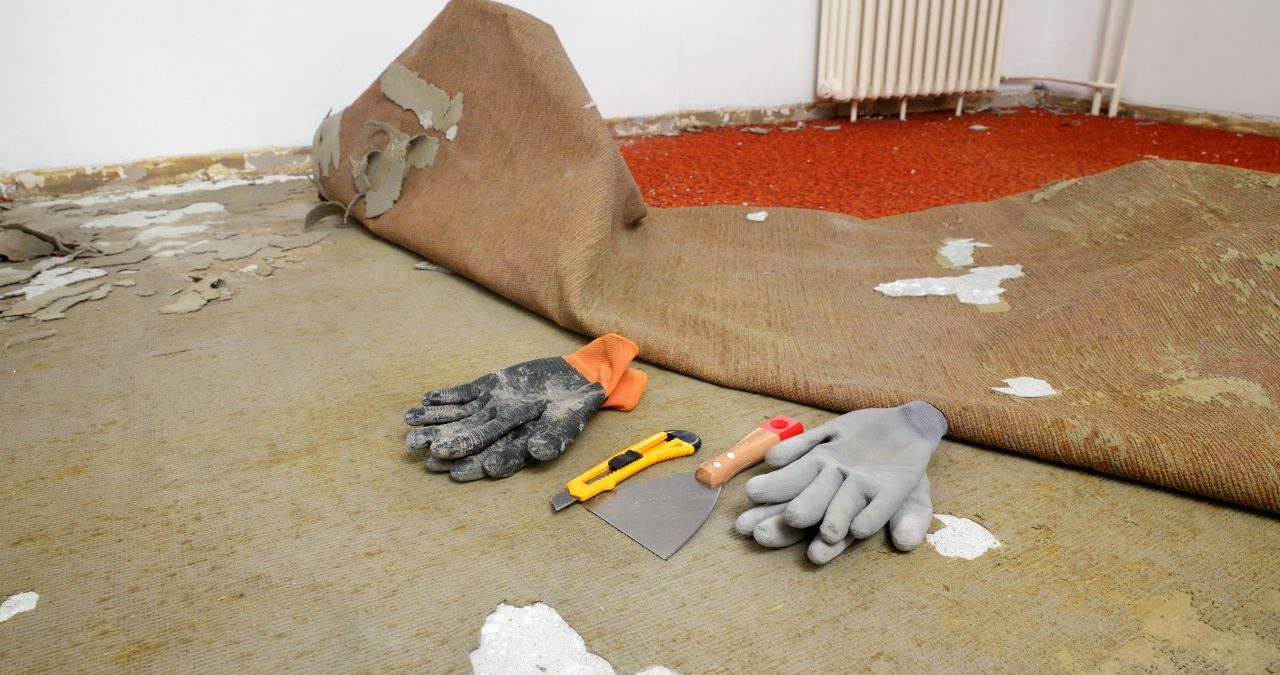
Some kitchen renovations involve removing existing flooring before new surfaces are installed. Flooring types, underlayment, adhesives, and the building's age can affect the appropriate procedure. Potential asbestos-containing materials or other hazards require proper evaluation before disturbance. We discuss the scope only after necessary safety questions have been addressed.
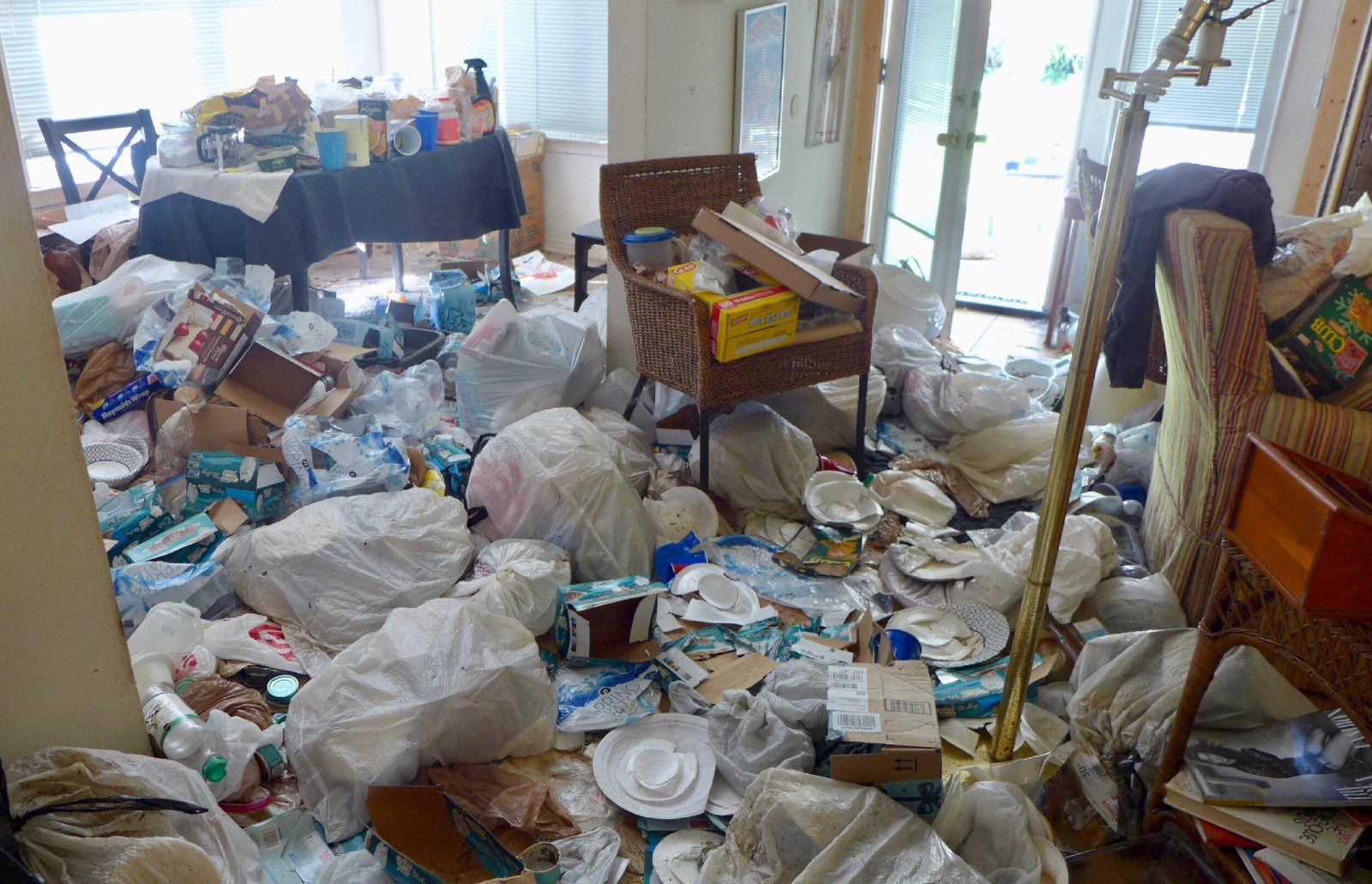
Cabinet sections, trim, tile, countertop fragments, and packaging can accumulate during kitchen remodeling. Keeping removal plans coordinated with the renovation schedule can make the work area easier to manage. We discuss the debris types and amount, the location of the loading area, and any restrictions on disposal.
Structural changes, load-bearing walls, electrical wiring, plumbing, gas connections, and regulated materials require specialized evaluation or professional work. Ordinary demolition planning should not assume these tasks are included. Customers should coordinate with the appropriate licensed professionals where required and verify applicable permit obligations before demolition begins.
We distinguish intended nonstructural removal from work that requires additional trades or approvals.
We encourage clear communication about what the remodeling contractor needs prepared.
We consider material type, quantity, access, and handling requirements before removal.
Planning a kitchen renovation in Smyrna? Contact (470) 868-2875 to discuss selective demolition and debris removal.
Free — no obligations
Identify what will be removed and which parts of the kitchen will remain.
Arrange appropriate utility disconnections, hazard assessments, and necessary permits.
Discuss property access, occupied areas, protection requirements, and debris handling.
Confirm demolition boundaries and how the work fits with the renovation schedule.